Trees and shrubs in Indian are known for their elegance and amazing beauty. Trees in India
undertake the fundamental position within the heritage associated.
Forest, trees have always been related to the quality of being wise as well as quality of being immoral in India.
Indio literature explains a divino tree as having its origins in the paradise
and its divisions in the underworld that combines and links with each kind of living beings.
The Indian subcontinent is shedding its environmentally friendly cover and it is know fact now that many of us have to do a good deal in making on with it. Yet it's very good to know about the plant life which grows inside
our country. You'll be astonished to know the fact that India houses a large variety of trees. Though it was not possible to compile
them all, we will discuss few prominent trees that we all see close to
and don't realize much concern.
Banyan (also known as Bodhi Tree) being India's National Tree,
nevertheless Peepal, Tulsi and Indian Rosewood, Kikar, Ashwagandha,
Brahmi, Sal, Asparagus (Shatavari), Khair, Cork, Aleo Vera
many others also are some handful of the plants and trees that contains
special ethnic and non secular significance throughout India.

Banyan Tree
Banyan tree (India's National Tree) is a very familiar sapling in the land of Buddha, India. Surprisingly, had originated in this subcontinent by itself. These types of trees possess the largest coverage within India. It is really a large and giant tree addressing several hectares with extensive divisions of branched and roots. The actual leaves tend to be broad, square and shiny. It is a ageless and classic tree lives 100 of years. Indians call it a wish fulfilling tree. Bargad, Bar, Vad, Vatnam, Bahupada, Peddamarri, Al are the other names used for the Banyan tree.
Peepal Tree

Peepal is a substantial, fast rising deciduous (a sapling or bush shedding her leaves annually) tree. It has a heart designed leaves. The tree has a large overhead with the fantastic wide distributing branches. This shed its leaves in March and April. Its bark is usually light greyish and peels in sections. Its berry is pink in shade also called as Fig. It is on the list of longest dwelling trees. Beepul
tree, Pipers, Pimpal, Jari, Arani,Ashvattha, Ragi are the
other names used. It is one of those exceptional trees which release breathable oxygen both in
the morning and the nighttime.
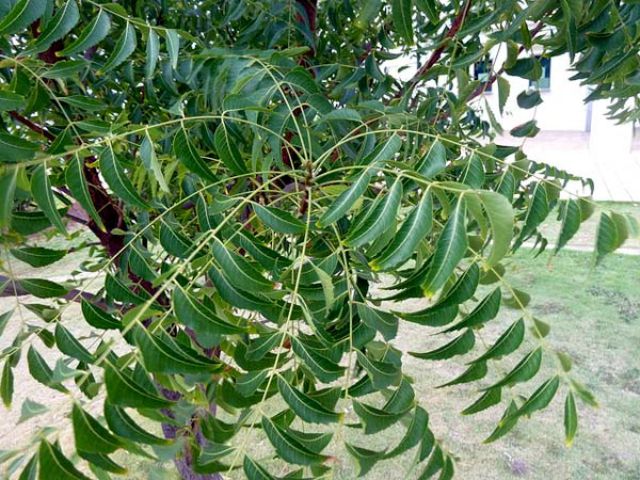
Neem trees are grown in the tropical plus sub-tropical parts. It is a tall classic tree having small vibrant green simple leaves. It blossoms around spring period with full of small whitened flowers. The bark of the neem tree is hard & tough and scaly, have cracks also in small size trees and shrubs. The olive like harmless fruit are oval, circular and slim skinned. Neem offers endless therapeutic properties and that’s why is it a well-known tree in India. It is utilized to control unwanted pests and cope with pox infections etc. Neem is really a major component in cleansers and is healthful for our pores and skin. It is also known as Nimba and "Arishtha" (an ancient name) that means the reliever of the disease, in the Indian subcontinent.

Arjuna is a big size deciduous tree wood. Terminalia Arjuna tree is normal grows throughout Indian especially in the lower part of Himalayan areas and far eastern India.
The peak of the Arjuna tree gets upto 70-100 ft. It is the classic tree using the yellow blossoms and conical leaves and has a very low smooth grey bark. Within the buttressed trunk area and a huge spreading overhead from which the actual branches bend downward. Arjuna displays yellow blooms from March till June. It has a hard woody fibrous fresh fruit that seems between Sept and November. The particular woody fruit has several wings and is also possibly the most unique of its kind. The other names used are Arjuna, Koha, Kahu, Arjan, White Marudah, White Murdh.
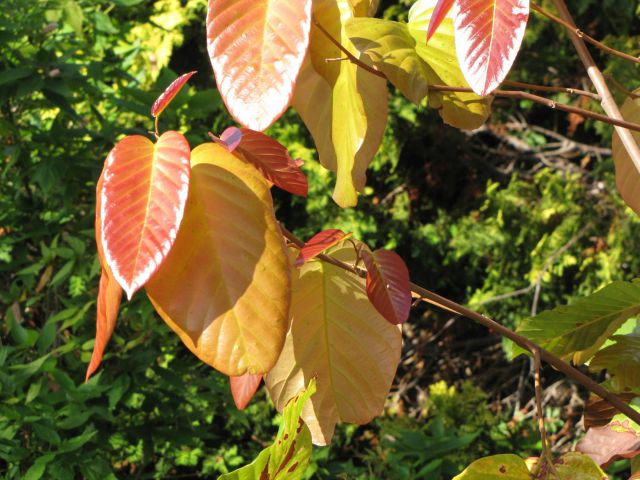
Sal is a big tree partially sheds her leaves annually. The tree is indigenous to the native sub-continent. Mainly found in Bengal, Haryana, Assam, Nepal and on the bank of the Yamuna river. It is being worshiped among many Buddhist and Hindus in India. It grows upto 60-65 meters in height. Sal shrub is hardly ever completely leafless. It has huge leathery leaves and yellowish or golden-tinged flowers. Often the Salwood is normally whitish in colour, solid and is a lesser durable. The wood has tiny holes which are filled with resin. Sargi, Salwa, Sakhu, Sakher, Shal, Kandar, Sakwa, Shala and Saraiare the other names used for the Sal tree. It happens to be described in several scriptures that Buddha was given birth and later on died under this very tree of Sal.
Neem Tree
Neem trees are grown in the tropical plus sub-tropical parts. It is a tall classic tree having small vibrant green simple leaves. It blossoms around spring period with full of small whitened flowers. The bark of the neem tree is hard & tough and scaly, have cracks also in small size trees and shrubs. The olive like harmless fruit are oval, circular and slim skinned. Neem offers endless therapeutic properties and that’s why is it a well-known tree in India. It is utilized to control unwanted pests and cope with pox infections etc. Neem is really a major component in cleansers and is healthful for our pores and skin. It is also known as Nimba and "Arishtha" (an ancient name) that means the reliever of the disease, in the Indian subcontinent.
Arjuna Tree
Arjuna is a big size deciduous tree wood. Terminalia Arjuna tree is normal grows throughout Indian especially in the lower part of Himalayan areas and far eastern India.
The peak of the Arjuna tree gets upto 70-100 ft. It is the classic tree using the yellow blossoms and conical leaves and has a very low smooth grey bark. Within the buttressed trunk area and a huge spreading overhead from which the actual branches bend downward. Arjuna displays yellow blooms from March till June. It has a hard woody fibrous fresh fruit that seems between Sept and November. The particular woody fruit has several wings and is also possibly the most unique of its kind. The other names used are Arjuna, Koha, Kahu, Arjan, White Marudah, White Murdh.
Sal Tree
Sal is a big tree partially sheds her leaves annually. The tree is indigenous to the native sub-continent. Mainly found in Bengal, Haryana, Assam, Nepal and on the bank of the Yamuna river. It is being worshiped among many Buddhist and Hindus in India. It grows upto 60-65 meters in height. Sal shrub is hardly ever completely leafless. It has huge leathery leaves and yellowish or golden-tinged flowers. Often the Salwood is normally whitish in colour, solid and is a lesser durable. The wood has tiny holes which are filled with resin. Sargi, Salwa, Sakhu, Sakher, Shal, Kandar, Sakwa, Shala and Saraiare the other names used for the Sal tree. It happens to be described in several scriptures that Buddha was given birth and later on died under this very tree of Sal.
Gulmohar Tree

Gulmohar is most noted for its quite exotic looking blooms. The actual flowers associated with Gulmohar are big with 4
spreading scarlet or orange-red petals as much as 8 cm long, along with a fifth
straight petal. In India, its blooming season is actually between April to June. Spotting this
particular tree is very easy since it grows inside dry along with tropical
circumstances. The wood spreads and offers a thick shade. The exact flowers of
the tree are usually large and also orange-red in colour. Their leaves are generally doubly pinnate. Each foliage is approximately 50 cm extended and has 30-50 pairs involving primary booklets that are
feathery in appearance along with bright, gentle green in colour.

No comments:
Post a Comment